The Quiet Takeover: How AI Stopped Being a Tool and Became the Infrastructure of Work

Nobody announced the moment it happened. One day we were experimenting with chatbots, and the next, half the software we touch was quietly running on models we never think about.
Ask ten people when AI “arrived” and you’ll get ten different answers. For some it was the first time a chatbot wrote a decent email. For others it was a model passing an exam that was supposed to be hard. But the truth is less dramatic and more interesting: there was no arrival. There was a slow, steady seepage into everything, until one day it became difficult to point at a workflow and say, “no AI touches this.”
That shift, from novelty to plumbing, is the real story of artificial intelligence right now. And it matters far more than any single benchmark or product launch.

From Feature to Foundation
For most of the last decade, AI was something companies added to a product. A smarter search bar, a recommendation row, a spam filter that got a little better each year. It lived at the edges.
What has changed is the direction of dependency. Increasingly, the product is built around the model rather than the model being bolted onto the product. Customer support, code review, contract analysis, radiology triage and supply-chain forecasting are no longer “with AI” versions of old processes. They are new processes that would not exist without it.
This is the same pattern electricity followed. Early factories bought a generator and kept their layout. The real gains came decades later, when someone redesigned the factory floor because power no longer had to run through a single central shaft. We are in the awkward middle of that transition now: many organizations have the generator, and very few have redesigned the floor.
The Shift From Answering to Acting
The most important change of the past two years isn’t that models got better at conversation. It’s that they got better at doing.
A chatbot answers a question. An agent takes a goal, breaks it into steps, uses tools, checks its own work and comes back with a finished result. That difference sounds subtle until you watch it in practice. Ask a chatbot how to reconcile a messy spreadsheet and you get instructions. Hand the same problem to an agent and you get the reconciled spreadsheet plus a list of the rows it wasn’t sure about.

That last part is the detail worth noticing. The useful systems aren’t the ones that pretend to be certain. They’re the ones that flag their own doubt, and the people who get the most out of them learn to read those flags instead of skipping past them.
Where the Value Is Actually Landing
Hype tends to cluster around the flashy demos, but the durable value is showing up in unglamorous places.
- Documentation and paperwork. Summarizing, drafting, translating and filing. Boring work that consumes a shocking share of every professional’s week.
- Software development. Not replacing engineers, but compressing the distance between an idea and a working prototype from weeks to an afternoon.
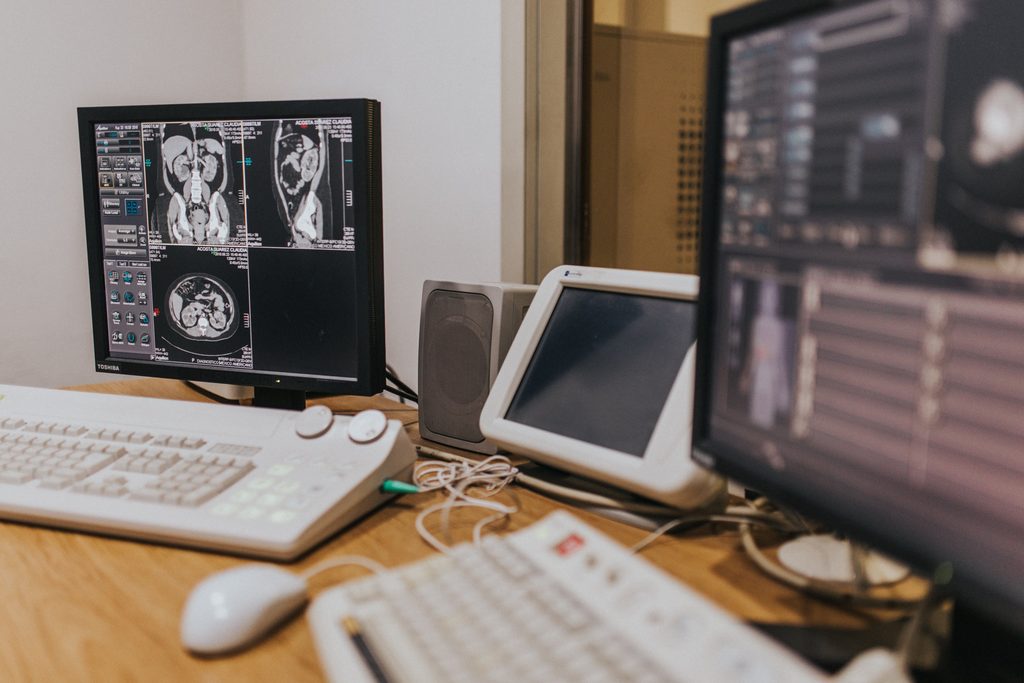
- Healthcare support. Helping clinicians sort scans, notes and records faster, so human attention goes where it is needed most.
- Finance and risk. Pattern detection across volumes of data no analyst could read in a lifetime, from fraud signals to portfolio stress tests.
Notice what these have in common. None of them is about a machine having a brilliant original thought. They’re about removing friction from work that humans were already doing, and that is exactly why adoption has been so quiet and so fast.
The Part Nobody Puts in the Press Release
There’s a version of this story told entirely in superlatives, and it does the technology a disservice. The honest picture has some rough edges.
Models still get things wrong, confidently. A fluent answer is not the same thing as a correct one. In low-stakes work that’s an annoyance. In law, medicine or finance it is a real hazard, which is why verification isn’t optional and shouldn’t be treated as a formality.
The skills gap is widening, not closing. Two people can use the same tool and get wildly different results. The difference is rarely technical. It comes down to how clearly they can define a problem, how well they can judge output, and how willing they are to iterate. Clear thinking has quietly become the premium skill.
Trust is fragile. Organizations that rush AI into customer-facing roles without guardrails tend to learn the lesson publicly. The ones doing well are treating deployment like any other risk decision: start narrow, measure, expand.
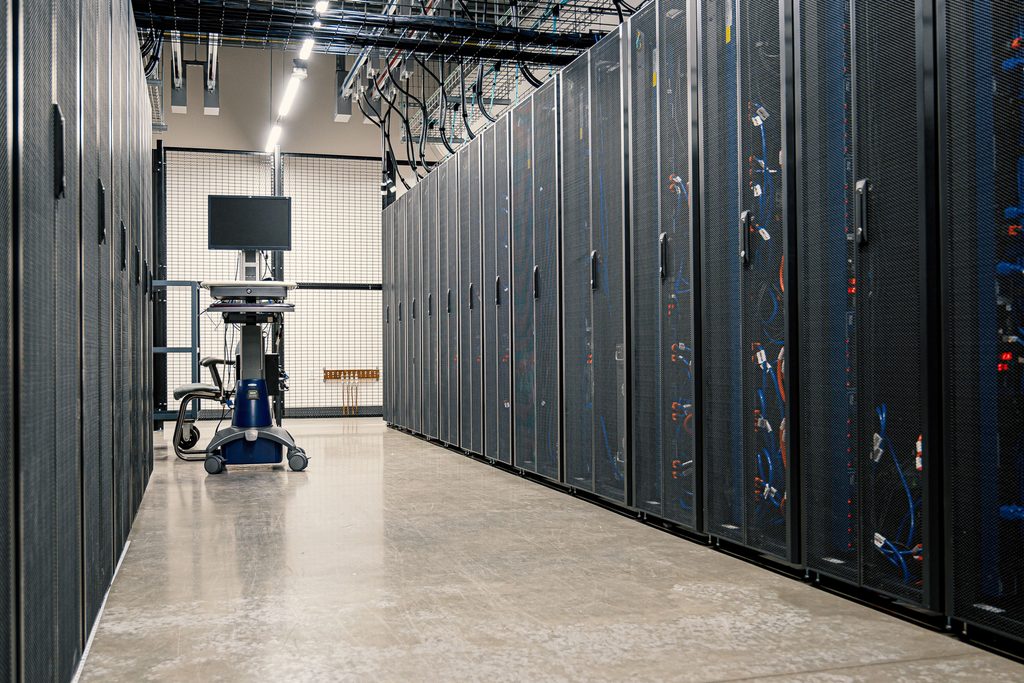
There is also a physical side that rarely makes headlines. Every model runs on enormous amounts of computing hardware, and that hardware runs on electricity and cooling. The cost of intelligence is increasingly a question of energy and infrastructure, which puts AI squarely into conversations about power grids and long-term planning, not only software.
What This Means for the Person Reading This
If you work with information for a living, which describes most of us, the practical takeaway isn’t to panic and it isn’t to ignore it. It’s to get specific.
Pick the three most repetitive tasks in your week. Try handing each one to a capable model. Keep the ones where the result saves you real time and holds up under scrutiny, and drop the rest. Within a month you’ll have a personal map of where these systems help you and where they mislead you, and that map is worth more than any general opinion about AI.
Then move up a level. Ask which parts of your role depend on judgment, relationships and accountability, because those are the parts that get more valuable as routine work gets automated. The professionals who thrive won’t be the ones who out-type the machine. They’ll be the ones who know what’s worth asking for and can tell when the answer is wrong.

The Real Question
The debate keeps circling around whether AI will replace people. It’s the wrong question, or at least an incomplete one. The more useful question is quieter: who decides how it gets used?
Technology this general-purpose doesn’t have a fixed destiny. It amplifies whatever it’s pointed at, sloppy processes and careful ones alike. The organizations, and the individuals, who benefit most will be the ones who stay curious, stay skeptical and keep a human hand on the parts that matter.
The takeover, if we want to call it that, is already well underway. It just doesn’t look like the movies. It looks like a slightly shorter workday, a slightly faster answer, and a growing gap between people who learned to work with it early and everyone else.
\ Get the latest news /